


I was born in the year of mixed tapes and Soviet medals. 1981.
Mom says it was a warm autumn in our Bulgarian village in southern Moldova, where our community had lived for generations. While American kids were watching the first Space Shuttle pierce the sky, I was wrapped in handwoven blankets, another Bulgarian baby born into the Bessarabian mosaic of the Soviet empire.
Funny how time works. That year, MTV launched in America, but our only music came from grandma’s traditional Bulgarian songs and the wedding bands playing old Thracian melodies at village celebrations. The taste of banitsa and lyutenitsa meant more to us than any Western pop culture could.
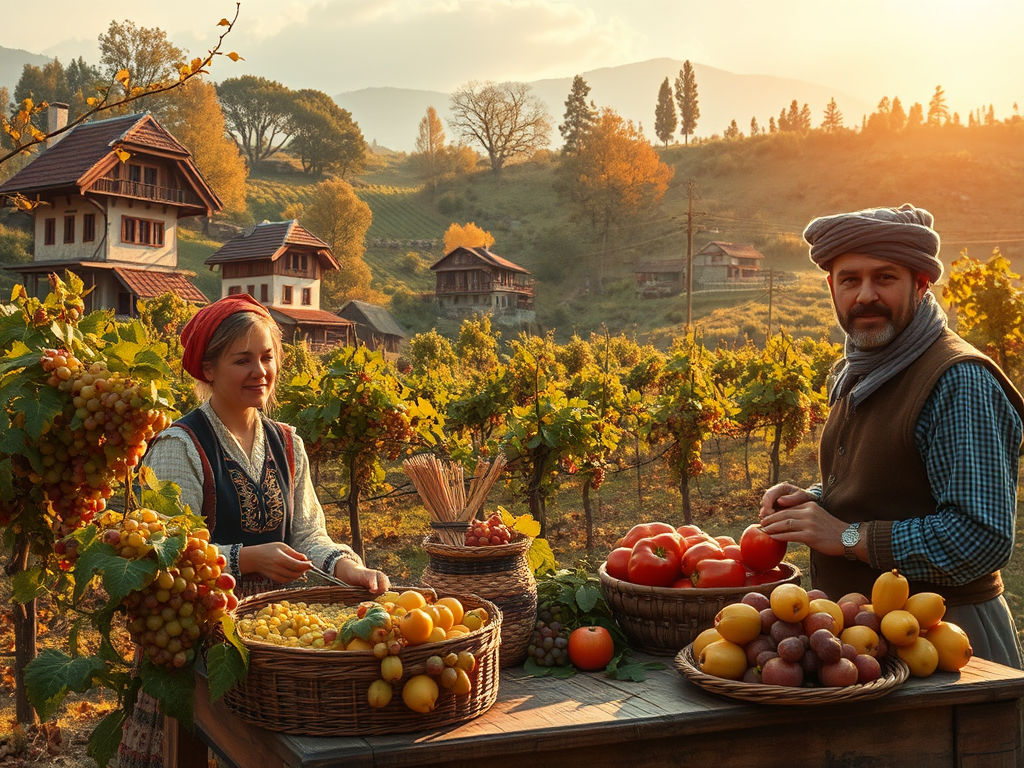
My 1981 wasn’t about Raiders of the Lost Ark or IBM’s first PC. It was about grape harvests in our family vineyard, where Bulgarian, Romanian, and Gagauz neighbors worked together, sharing rakiya and stories in a mix of languages.
I came into a world where success wasn’t measured in rubles. Could your family make enough sirene cheese to trade? Did your garden’s peppers dry properly for winter? Had you preserved enough kompot? In our Bulgarian community, these skills passed down from our ancestors mattered more than any Soviet five-year plan.
Now when I look at photos from 1981, I see two worlds. In the West, they had “Video Killed the Radio Star.” We had horos danced at weddings, the smell of chushki burning on grandmother’s stove, and the sound of Bulgarian folk songs that carried centuries of history.
Sometimes I wonder if my parents knew they were raising one of the last Soviet children in our Bulgarian community. Did they sense change coming while they rocked me to sleep, whispering old Bulgarian fairy tales? Our people had preserved their identity through other empires – maybe they knew this one wouldn’t last forever either.
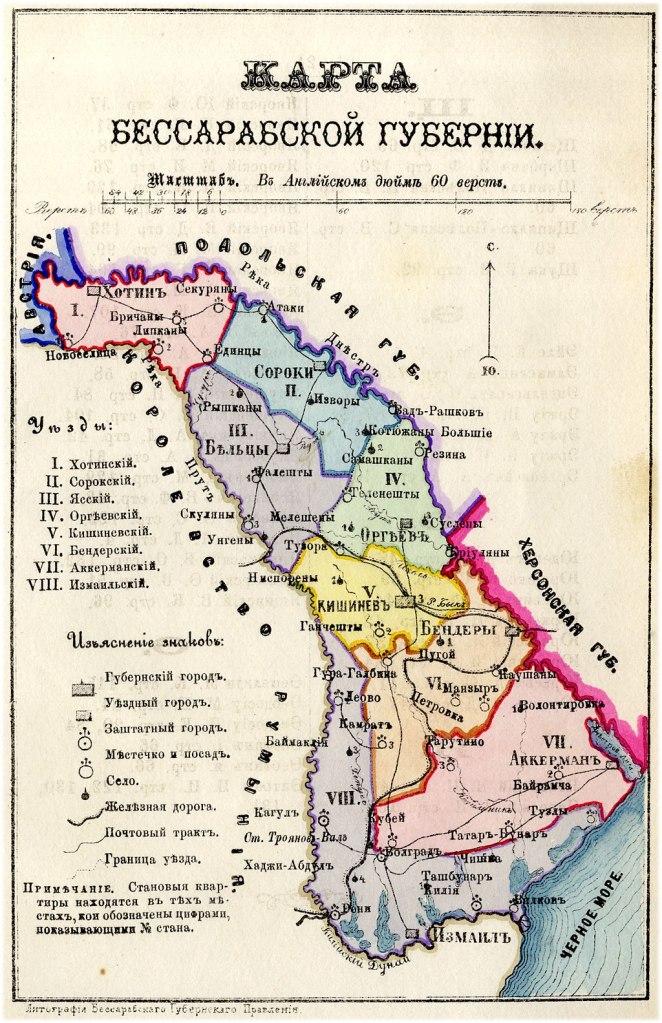
We were born into one world but destined to inherit another. The borders on this map would blur and shift again, but the essence of what made us Bessarabian Bulgarians – preserved in our grandmother’s songs, in the taste of our wines, in the patterns of our carpets – would remain.
Like this old map, we are artifacts of a vanished time, but our stories continue beyond its edges, carrying forward the legacy of a place where empires ended but traditions endured.


 S.J. Asher
Leave a reply to S.J Asher Cancel reply