


I despise “suddenly.”


As a mathematician and software engineer, I crave precision.
My code doesn’t execute “suddenly” – it follows a logical sequence, each line building on the last.
Why should my writing be any different?
In my native language, we have nuanced ways to express rapid change. But when I write in English, I often fall back on “suddenly” as a shortcut. It’s like using a blunt ‘if-then’ statement when a more elegant algorithm exists.
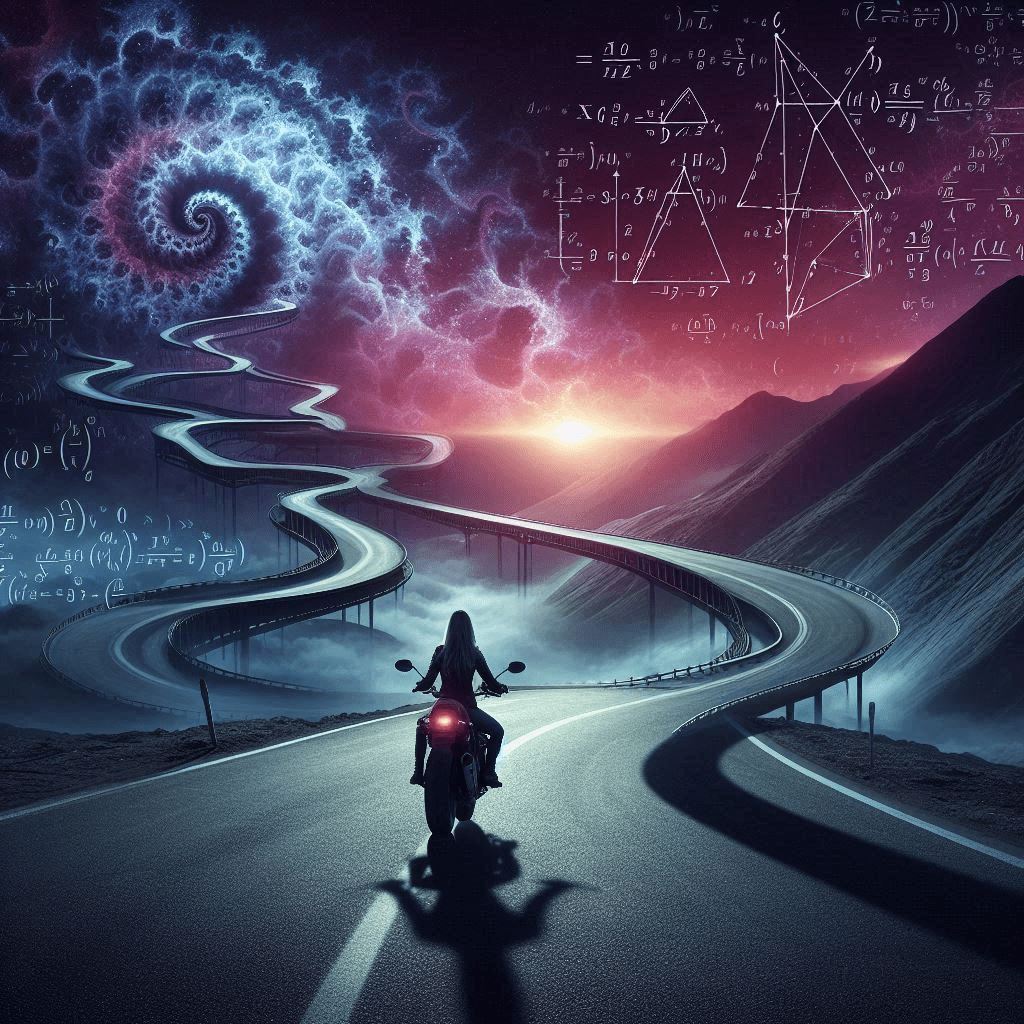
My experience as a motorcycle rider has taught me that nothing truly happens without warning. Even in a near-miss, there’s a sequence: the flash of movement in my peripheral vision, the spike of adrenaline, the instantaneous calculations of speed and distance. “Suddenly” erases all that crucial data.
When I delete “suddenly,” I’m forced to break down the moment into its component parts, like debugging a complex function. Instead of “Suddenly, the bike skidded,” I might write:
“The rear tire lost traction, a millisecond of weightlessness before physics reasserted itself. The bike slid sideways, asphalt rushing up to meet me.”
No “suddenly,” but the urgency is there, encoded in the details.
Removing “suddenly” makes me a more precise writer in my adopted language. It pushes me to trust the reader’s ability to process rapid sequences, just as I trust my own reflexes on the road.
In the intersection of magical realism and dark fiction I’m exploring, this precision is crucial. The horror isn’t in abrupt changes – it’s in the reader seeing each domino fall and being powerless to stop the cascade.
So “suddenly” can be factored out of my writing equation. I have more accurate variables at my disposal to calculate a reader’s response.
 S.J. Asher
Leave a comment